Basement Waterproofing Solutions by Local Contractors
Visitors will learn about how local contractors provide basement waterproofing services and how to compare options in their area.
- - Residential property owners seeking basement moisture control and leak prevention solutions.
- - Commercial building managers needing reliable waterproofing services for underground spaces.
- - Homeowners interested in comparing local contractors for basement sealing and drainage improvements.
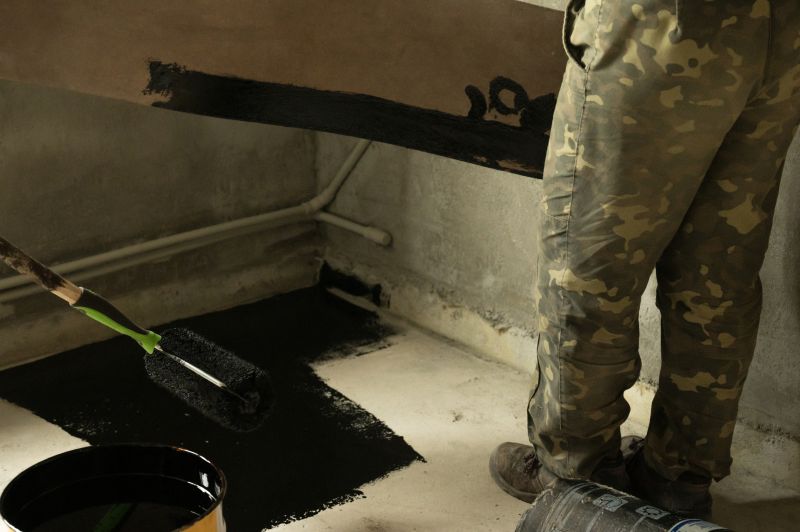
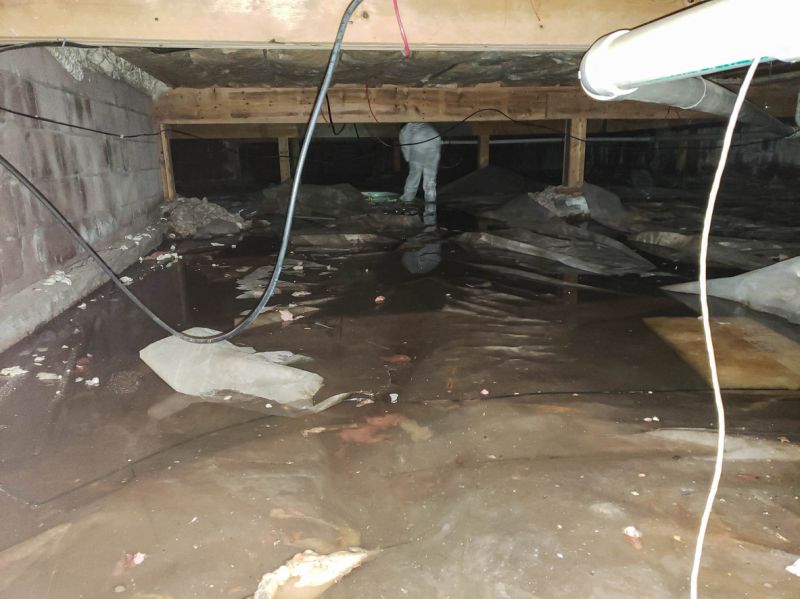
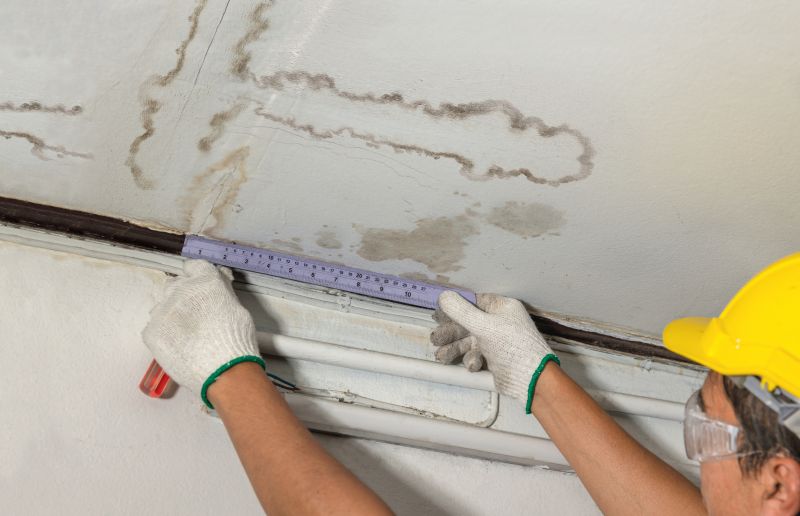
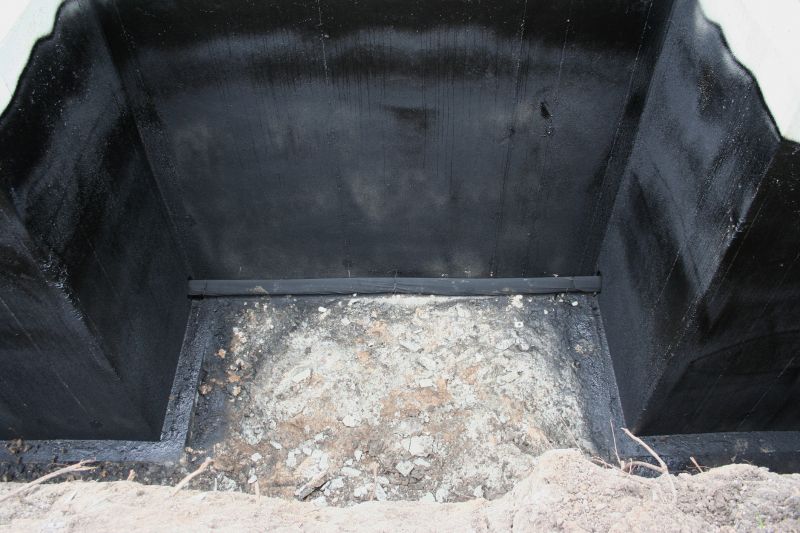
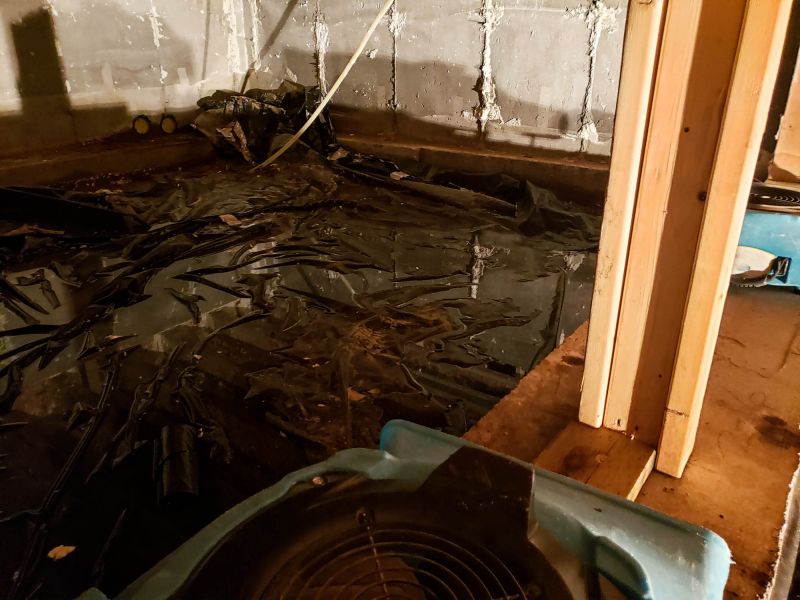
Basement waterproofing services are essential for property owners experiencing issues with excess moisture, water seepage, or flooding in their subterranean spaces. Local contractors specializing in basement waterproofing typically assess the specific conditions of a property, identify potential sources of water intrusion, and recommend appropriate solutions. These services often involve installing drainage systems, applying sealants, or adding waterproof membranes to protect basements from future water damage, helping to maintain a dry and structurally sound space.
Homeowners seeking basement waterproofing often turn to nearby service providers who understand the unique challenges of local soil conditions and climate. These contractors can provide tailored solutions that address common problems such as basement leaks, foundation cracks, or poor drainage. Connecting with experienced local pros allows property owners to compare options, review service offerings, and find the right fit for their needs, ensuring effective and reliable waterproofing for their basement spaces.
This guide provides helpful information to understand the basics of basement waterproofing and what to consider when planning a project. It assists in comparing and connecting with local contractors who specialize in waterproofing services. By reviewing the details here, homeowners can better prepare to discuss their needs with trusted service providers in their area.